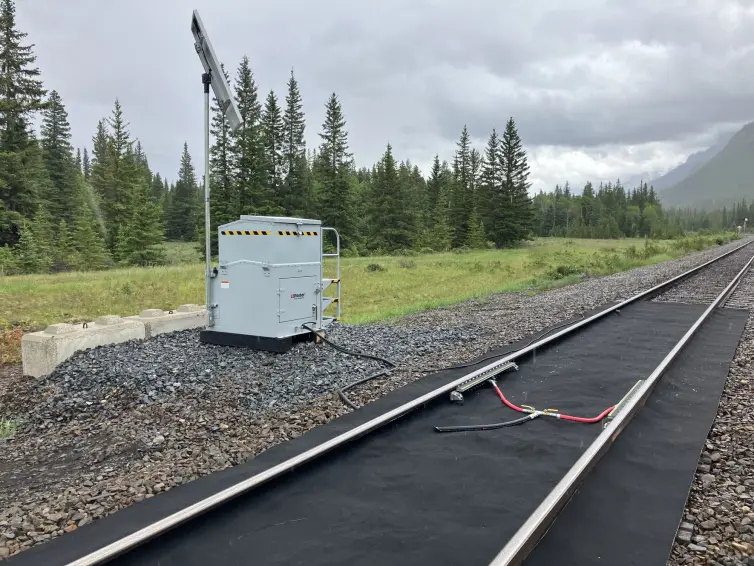
Webinar: The Role of Trackside Friction Management Systems in Improving Public Health.
During this webinar, we explore the science behind friction management, examine the link between railway noise reduction and public wellbeing, and share practical examples of how modern trackside solutions are delivering measurable benefits across rail networks worldwide.
When we think about public health, rail infrastructure may not be the first thing that comes to mind. However, the way we manage the wheel-rail interface has a significant impact on the communities that live and work alongside our railways. Excessive friction can lead to increased noise, vibration, wear, and maintenance activity - factors that can affect quality of life, environmental sustainability, and the long-term performance of the railway network.
Trackside friction management systems play a vital role in addressing these challenges. By optimising friction at critical locations across the network, these systems can help reduce noise levels, minimise rail and wheel wear, lower maintenance requirements, and support a safer, more efficient, and more sustainable railway.
Speaking to railbusinessdaily.com, our Principal Applications Engineer, Jackie Butterfield CEng FIMMM MRailEI, discusses the impact railway noise can have on public health. Read the full article by clicking here.
Ultimately, these benefits extend beyond operational performance, contributing to healthier and more pleasant environments for passengers, railway workers, and local communities.